

How My Journey with MS Opened My Eyes to the Power of Environment and Wellbeing
My Journey to Wellness
Thirteen years ago, on January 27, 2013, I sat in a hospital bed surrounded by a group of Yale medical students. The Resident Physician looked at me and delivered the life-changing diagnosis: I had MS, or Multiple Sclerosis. For five days, they worked tirelessly to figure out why my entire body was numb and tingling, why my chest felt like it was being squeezed, and why I was so fatigued that I could barely finish a sentence without feeling the pull of sleep. When the moment came for my reaction, I smiled and asked, “Okay, so what do we do about it? How do we fix it?” They smiled meekly, unable to offer a definitive solution.
That moment marked the start of a journey I never asked to be on. But it was also the wake-up call I needed—a signal that my life needed an overhaul. I had to stop denying what I truly wanted and start honoring what mattered most to me.
Finding Purpose in Creativity
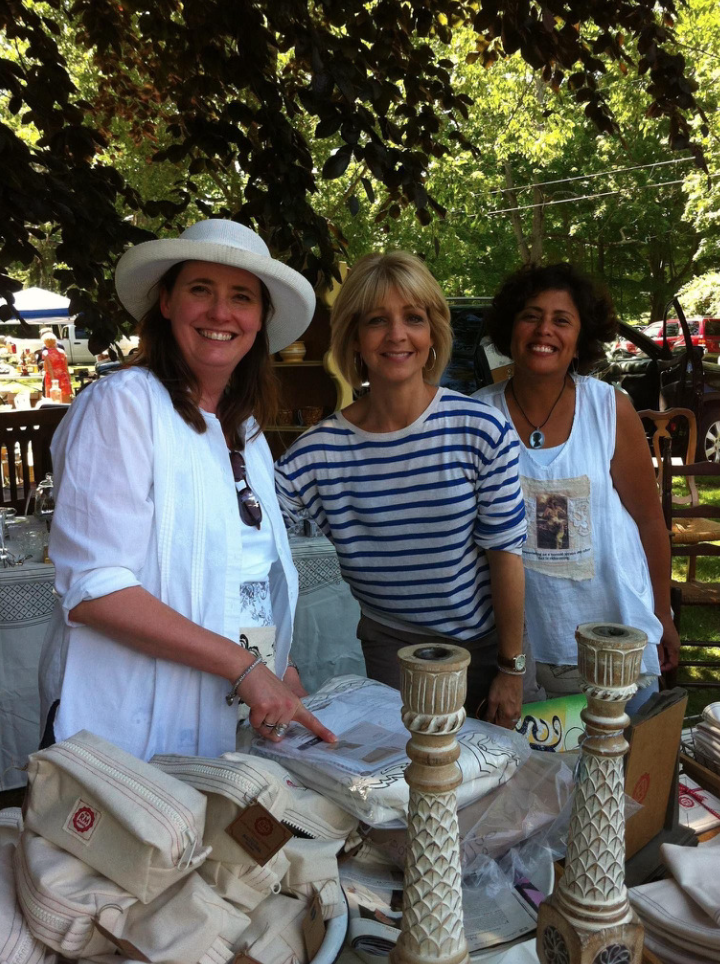
Four months later, my dear friend pulled me from despair, and together we started a small business. We spent our days repurposing furniture, building a website, and frequenting flea markets to sell our wares. It was hard work, and I often fought through the fatigue and pain, but it kept me distracted from the darker thoughts MS brought with it. We felt like regular Martha Stewarts, finding joy and purpose in our creativity.
During this time, I learned a powerful lesson: your environment has so much to do with your health and happiness. I began to understand how deeply connected our physical spaces are to our mental and emotional wellbeing.
Honoring My Health and Family Dreams
While I found joy in our creative pursuits, I also realized that I needed to prioritize my health and focus on what I truly wanted for my family. My husband and I had always dreamed of a second child, but after years of trying, it seemed out of reach. Still, I refused to let MS take away that dream. I closed my home furnishings consignment shop, stepped back from my interior design business, and devoted my energy to my health and our family.
Exactly one year after my diagnosis, on January 27, 2014, I found myself at a very different kind of appointment: my first prenatal visit. I was pregnant with my daughter, something I had thought might never happen. The universe has a funny way of waking you up and forcing you to take a closer look at your life.
The Role of Environment in Healing
It was during this period that I stumbled upon Dr. Esther Sternberg’s groundbreaking book on healing and the mind-body connection called Healing Spaces, The Science of Place and Well-Being. Her work affirmed what I was beginning to realize: our environment plays a crucial role in our wellbeing. From the air we breathe and the light that fills our spaces to the colors, textures, and layouts of our homes, everything around us can either support or hinder our health.
Scientific studies back this up. For example, research has shown that exposure to natural light improves mood and regulates sleep cycles. Indoor plants can purify the air and reduce stress. Organized and aesthetically pleasing spaces can boost productivity and create a sense of calm. Conversely, clutter, poor air quality, and harsh lighting can contribute to anxiety and fatigue.
Designing for Wellness
This understanding inspired me to approach my interior design work through a wellness lens. I’ve seen firsthand how creating intentional, health-supporting spaces can transform lives. From using natural materials that improve air quality to incorporating stress-reducing elements like soft lighting and calming color palettes, I now design spaces that nurture both body and mind.
My journey with MS taught me to prioritize what truly matters: health, happiness, and creating a supportive environment. It’s a lesson I carry with me in my work and in my life, every single day.
Thirteen years later, I’m still walking, still thriving, and still learning. MS didn’t define me; it redirected me toward a life of purpose and intention. If there’s one thing I’ve learned, it’s that we can’t control everything that happens to us, but we can control the spaces we live in and the choices we make to honor our wellbeing.
If you’re curious about how your environment might be affecting your health and happiness, I’d love to help. Let’s create spaces and a life that inspires and heals—because where you live should support how you thrive.

When Memories Linger: Turning Your Home into a Sanctuary for Healing
When memories linger…
By Rachel Schemmerling
There are seasons of life when the walls of our home seem to echo louder than usual. The silence after the children have moved on. The empty chair where a loved one once sat. The quiet after a relationship has ended. These moments can feel like grief all over again—because they are.
We mourn not only the people, but the life that once was—the laughter that spilled into the kitchen, the familiar sound of footsteps, the rhythm of a shared routine. And in that mourning, home can sometimes feel like a museum of memories: heavy, still, overwhelming.
But your home can also become your ally. It can hold you, comfort you, and whisper new hope into your days. With intention, you can transform it into a sanctuary—a place that honors your past while gently guiding you into what’s next.
Making Space for Both Memory and Renewal
Healing doesn’t mean erasing. It means creating balance. You can:
Keep a touchstone corner: A framed photo, a beloved keepsake, or even a chair draped in a quilt that reminds you of love. This becomes your place of remembrance.
Invite softness and light: Open curtains, light candles, or add a cozy throw that welcomes you into rest. These small changes bring warmth to spaces that feel empty.
Shift the energy: Rearranging furniture or refreshing a room with new colors can help you see your life from a fresh perspective.
Creating Rituals of Comfort
When the heart is tender, ritual brings grounding. Try:
Brewing tea in the afternoon and enjoying it in your favorite chair by the window.
Lighting a candle at the end of the day, allowing its glow to represent peace and presence.
Setting the table beautifully for one—because you are worthy of beauty, every single day.
These aren’t small acts. They are love letters to your own soul.
The Home as a Retreat
Think of your home not as what it has lost, but as what it can now give you: refuge, restoration, renewal. Each room can become a reminder that you are not alone—because you carry love, memory, and new beginnings inside you.
Your sanctuary doesn’t need to be perfect; it simply needs to feel safe, supportive, and sacred to you. Let your home tell the story of who you are now—resilient, tender, open to what comes next.
You are not just surviving this season—you are creating a life where your heart has room to heal. And your home can be the sanctuary that helps you get there.

Bring Natural Light Into Your Home or Business
Bring Natural Light
By Rachel Schemmerling
Seasonal Affective Disorder (SAD) is a type of depression that aligns with seasonal changes, typically beginning in late fall or early winter and easing during the brighter spring and summer months. This condition is often triggered by reduced sunlight, which can disrupt your body’s internal clock and lead to feelings of depression. Spending prolonged periods indoors, especially during shorter daylight hours, can amplify these effects.
With more people working and living at home post-pandemic, rethinking the lighting in your environment isn’t just practical—it’s a health imperative. Natural light is a simple yet powerful way to combat SAD and improve well-being. Exposure to natural light offers numerous benefits:
Provides essential Vitamin D
Elevates mood and energy levels
Enhances sleep quality
Reduces signs of dementia
Supports overall health
Our bodies are deeply attuned to the daily cycle of natural light, which helps regulate circadian rhythms. Even doctors prescribe light therapies like phototherapy for treating conditions like SAD. But there are practical steps you can take right now to bring more natural light into your home or workplace. Here are five tips to increase natural light and boost wellness in your space:
1. Optimize Window Treatments
The window treatments you choose depend on the room, the type of windows, their placement, and your budget. Wherever possible, select treatments that maximize the flow of natural light.
Living Rooms: Use sheers or blinds that can be easily adjusted. Blinds that allow partial light and privacy are ideal, as you can control them based on your needs.
Bedrooms: Consider treatments that balance natural light during the day with the ability to block it out at night for restful sleep. Blackout curtains or dual-layer shades (light-filtering by day, blackout by night) are excellent options.
2. Remove Screens During Winter
In colder months, remove window screens that won’t be needed. This simple step increases the amount of light entering your home while providing an opportunity to clean the windows thoroughly.
3. Upgrade Outdated Windows
Replacing old windows can improve natural light while also enhancing energy efficiency. Opt for larger windows or styles like picture windows, bay windows, or floor-to-ceiling designs to flood your space with daylight. Consider double-pane glass for insulation without compromising light flow.
4. Update Light Bulbs and Fixtures
Modern light bulbs offer incredible innovations, including LED bulbs with circadian technology that mimic natural light’s spectrum. Use dimmable bulbs to adjust the lighting intensity throughout the day.
Bedrooms: Choose warmer-spectrum bulbs that emit less blue light, helping your body produce melatonin for better sleep.
Living and Work Spaces: Use brighter, cooler-spectrum bulbs to create an energizing environment during the day.
Adding fixtures like skylights or solar tubes can also dramatically increase natural light in dim areas.
5. Spend Time Outdoors
No amount of indoor lighting can fully replicate the benefits of spending time outdoors. Daily exposure to natural light improves mood, boosts energy, and supports overall health.
When outdoor activities aren’t possible, bring nature inside. Incorporate plants, nature-inspired artwork, or even a small indoor fountain to create a calming, natural atmosphere that helps your mind and body relax.
Final Thoughts Lighting plays a crucial role in our physical and emotional well-being. By increasing natural light in your home or business, you can create a space that fosters health, happiness, and productivity year-round.
Have more tips or success stories about how you’ve brightened your space? Share them in the comments! Let’s create environments that help us thrive. 🌞
#timelessliving #wellnessdesign #naturallight #windowtreatments #healthyhome #nurturinghomesis. What matters most is that you keep going, keep learning, and keep believing in the version of yourself you’re becoming.

Embracing Slow Living: Creating a Sanctuary in a World That Moves Too Fast
Creating a Sanctuary in a World That Moves Too Fast
Embracing Slow Living: Creating a Sanctuary in a World That Moves Too Fast
Is life moving faster? Or just it does feel sometimes unbearably so. We’ve seen disasters shake our sense of security: the destruction nature can unleash, the horrors of 9/11, the isolation of a global pandemic, the weight of civil unrest, and the recklessness of rogue leaders. And beyond the collective struggles, there are our deeply personal ones—divorce, loss, illness, and the quiet ache of time slipping through our fingers. We’ve all been through so much.
And yet, despite it all, the world is still breathtakingly beautiful. If anything, these hardships sharpen our awareness of life’s fleeting nature, making us crave something deeper, something more intentional. We long to slow down—to truly taste life. To feel the soft linens beneath our fingertips. To bite into a ripe summer peach and let the juice run down our chin. To breathe deeply, inhaling the crisp morning air.
This is the essence of slow living. It’s about being present in your own life, creating spaces that nurture you, and surrounding yourself with beauty that feeds your soul.
Designing Your Sanctuary: A Home That Holds You
Your home should be a reflection of this way of living—a sanctuary, a retreat, a place where the outside noise fades and you are met with comfort, peace, and beauty. But creating that kind of space takes intention. It takes an understanding of how design supports well-being, how texture, color, and light can influence our emotions, and how the objects we surround ourselves with can either drain or uplift us.
That’s why I’m developing DIY design plans for one room at a time that are easy to implement on your own for one flat fee—to help you effortlessly transform your home into a place that nurtures and restores you. Whether it’s a cozy reading nook bathed in natural light, a bedroom that feels like a luxury retreat, or a dining space that encourages long, lingering conversations over candlelight, I design with the rhythms of slow living in mind. Every detail matters—because every detail shapes how you feel in your space.
A New Community for Women: A Place to Heal, Connect, and Learn
But slow living isn’t just about the physical spaces we create—it’s also about the relationships we cultivate, the wisdom we seek, and the way we show up for ourselves. That’s why I’m launching a new community for women who, like you, crave more than just a beautifully designed home. This is a space to heal from life’s struggles, to connect with like-minded women who understand the value of slowing down, and to learn how to infuse more meaning, beauty, and well-being into everyday life. I call it, The Ginger Jar Society. Why the Ginger Jar?
The Meaning Behind the Ginger Jar Society
For centuries, the ginger jar has been a symbol of beauty, history, and connection. Originally crafted in ancient China to store and transport valuable spices, these jars were later treasured as decorative pieces—passed down through generations, blending cultures, and telling stories of timeless elegance.
Much like the women in our community, the ginger jar holds both strength and grace. It represents the richness of life, the wisdom of shared experiences, and the beauty that comes from honoring tradition while embracing new possibilities.
That is the heart of The Ginger Jar Society—a space for women to:
Heal – Just as a ginger jar once held precious contents, we hold our own stories, triumphs, and struggles. This community is a place to restore, reflect, and find balance.
Connect – A ginger jar is meant to be displayed, shared, and admired. The same is true for the connections we build—deep, meaningful relationships with like-minded women who support and inspire each other.
Learn – Every ginger jar carries history, artistry, and tradition. Here, we embrace lifelong learning—exploring wellness, slow living, interior design, and the art of creating a beautiful and intentional life.
The Ginger Jar Society is more than just a community—it’s a gathering of women who appreciate the beauty of life, the value of meaningful connection, and the power of creating a life well-lived.
Are you ready to slow down, connect, and cultivate a sanctuary in both your home and your heart?
Through curated experiences, conversations, and shared moments of inspiration, this community will help you step fully into the life you deserve—one filled with intention, grace, and joy.
If you’re feeling the pull to slow down, to embrace a life rich with meaning, and to create a home and lifestyle that truly nourish you, I invite you to join me on this journey.
Because life moves fast—but we have the power to shape how we experience it.
Are you ready to create your sanctuary and embrace the art of slow living?